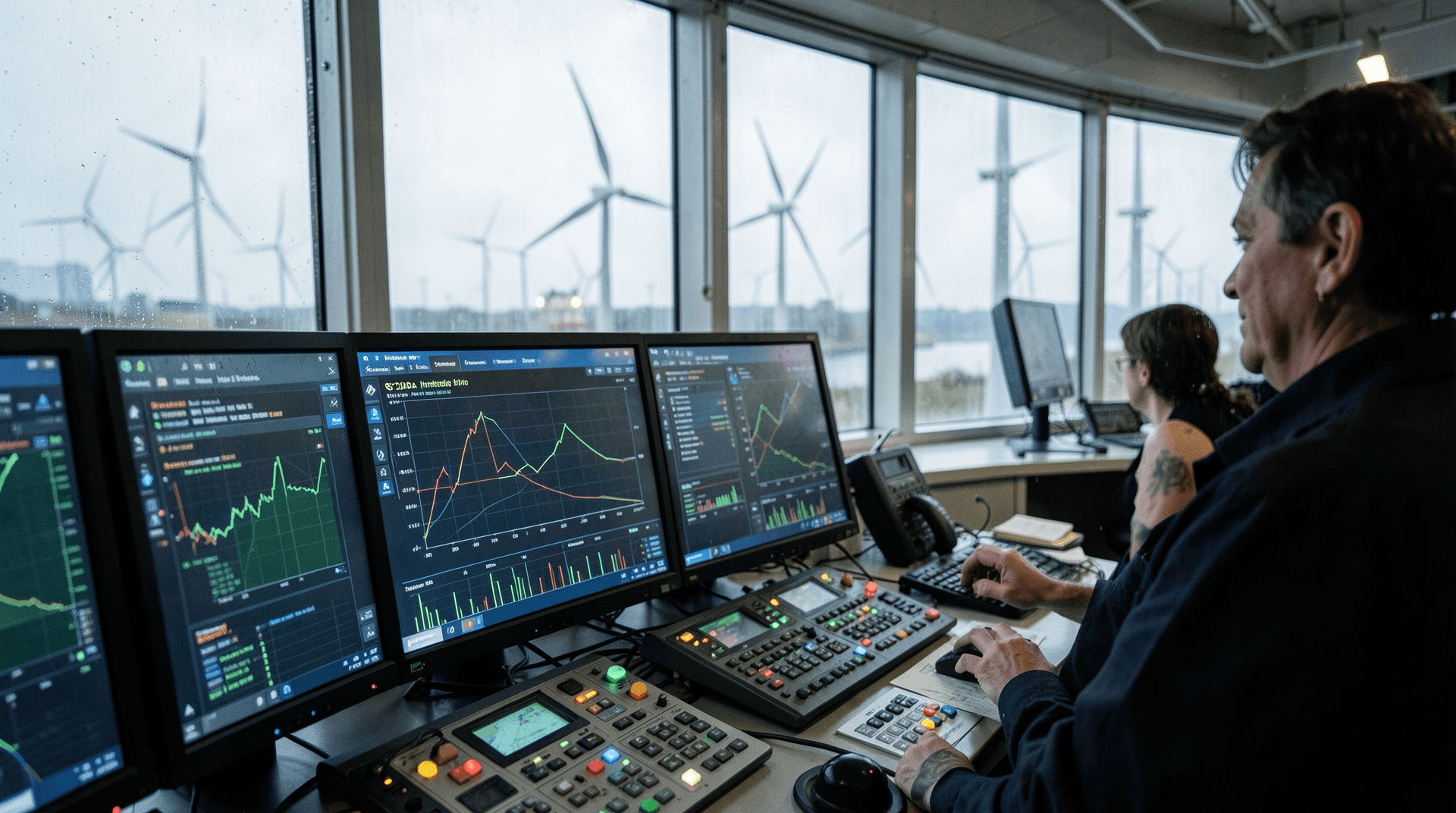
The vast majority of Norwegian energy companies have adopted generative AI tools such as ChatGPT and similar services over the past year. This provides efficiency gains in administration and customer service — but according to an opinion piece published by Digi.no, this is only the surface. The real advantage is found elsewhere: in the massive amounts of granular consumer data that the companies already possess.
From one measurement per month to thousands
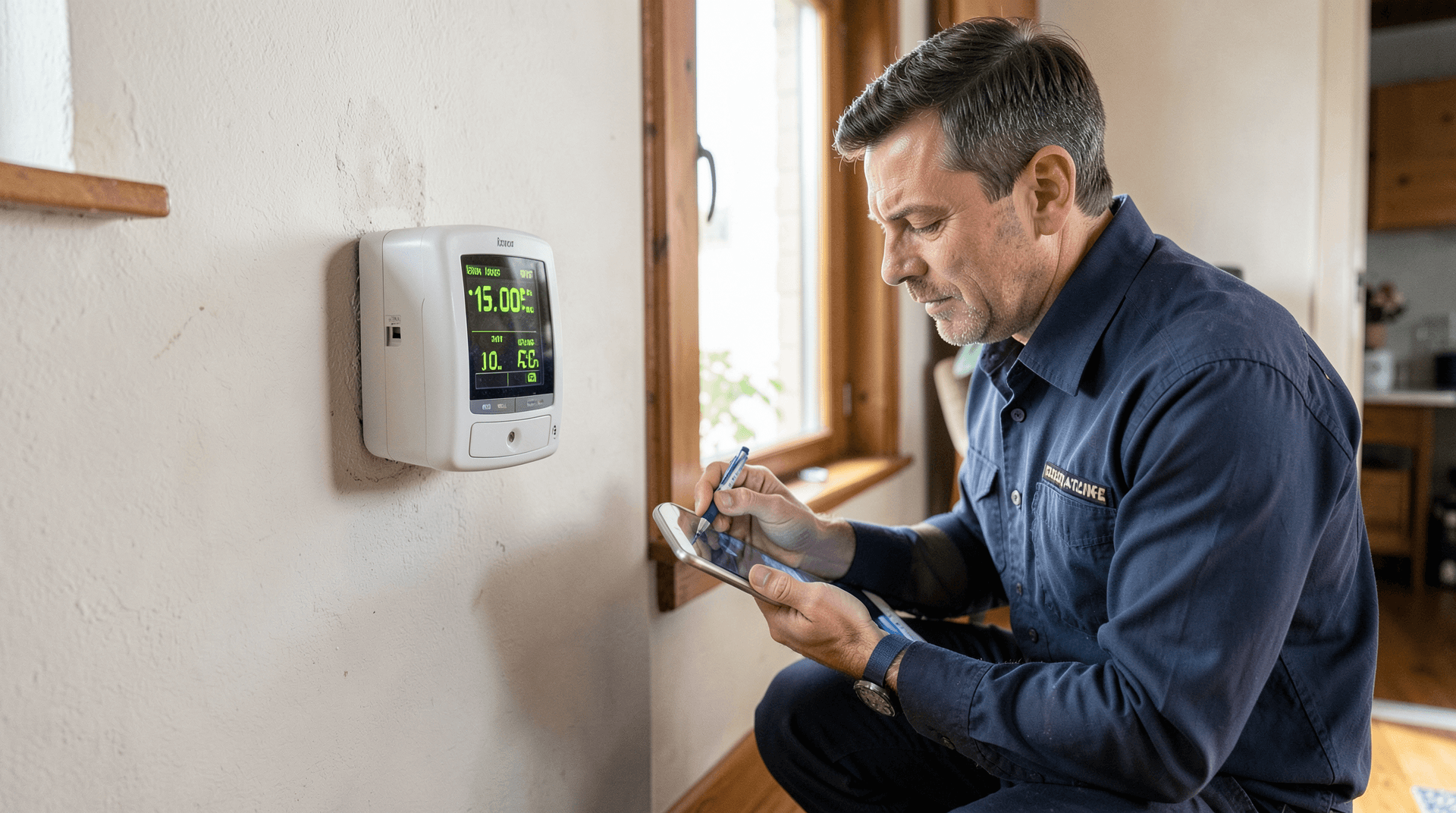
The rise of smart electricity meters has fundamentally changed the information landscape in the energy industry. Where traditional meters only produced one data point per consumer per month, modern AMS meters record consumption in intervals down to 10–15 minutes. This is a data explosion of historical proportions.
Before smart meters, there was only one data point per consumer per month. Now, consumption patterns can be followed hour by hour — or even closer.
Ozge Islegen, Associate Professor of Operations Management at the Kellogg School of Management, has researched this specific shift and emphasizes how dramatic the difference is: real-time data makes it possible to identify consumption patterns, peak loads, and anomalies in a way that was previously technically impossible.
For Norwegian energy companies, which have completed a near-total rollout of AMS meters in accordance with regulatory requirements, this means they sit on a data portfolio of significant strategic value.
What can the data be used for?
Global analyses show that smart meters and associated demand response programs are expected to provide the world's power companies with savings of 157 billion dollars leading up to 2035, according to industry estimates. For Norwegian grid companies, operating in a market characterized by variable renewable power production and high price volatility, this is particularly relevant.
Consumers, for their part, can save up to 10 percent on their electricity bills just by gaining insight into their own consumption patterns — and up to 30 percent if they actively follow AI-generated energy advice recommendations, according to research cited in the source material.

AI is the tool — data is the raw material
This is the core of the argument from Digi.no: while ChatGPT and other generative AI models are available to all players — and thus do not provide a lasting competitive advantage — a Norwegian energy company's proprietary consumer data is unique. It cannot be copied, bought, or replicated by a competitor.
AI algorithms that analyze this data can, according to technology providers like NET2GRID, identify which appliances a household uses, when they are used, and how consumption deviates from the norm. This opens the door for hyper-personalized customer communication, proactive alerts, and targeted offers for efficiency measures.
Grid operations and renewable integration
On the grid operations side, the gains are just as significant. AI systems trained on historical and real-time meter data can predict consumption patterns, optimize load distribution, and provide earlier warnings of potential infrastructure failures. This reduces operating costs and increases security of supply.
In a Norwegian power system where more and more variable renewable energy — wind and solar — must be integrated, precise demand forecasting and flexible load balancing are critical capabilities. Energy companies that master this with their own data will stand stronger than those who rely exclusively on generic AI tools.
Globally, AI applications within energy and industry are estimated to be able to reduce greenhouse gas emissions by 5–10 percent by 2030, according to research environments cited in the source material — a figure that is also relevant for Norwegian climate policy.
The strategic choice ahead
The question Norwegian energy companies should now ask themselves is not if they should use AI, but which data they are investing in structuring, quality-assuring, and analyzing. General language model technology is democratized and available to everyone. Consumption data — with its granularity, history, and local roots — is something no one can take from them.
As the Digi.no debate points out: the companies that understand this shift early, and build data platforms and AI capabilities around their own unique datasets, are the ones that will lead the way in tomorrow's energy market.